
Sacred Rituals and Their Importance in Saraswati Puja
Every year, as the chill of late winter begins to fade, a sacred energy fills the air. It is the time when devotees gather to honour Goddess Saraswati, the embodiment of wisdom, knowledge, and the arts. Saraswati Puja is not just a festival; it is a profound spiritual experience. The rituals performed during this time are steeped in tradition, each carrying deep symbolic meaning. They connect us to the divine, to our inner selves, and to the timeless flow of knowledge.
The Essence of Saraswati Puja Rituals
Saraswati Puja is a celebration of learning and enlightenment. The rituals are designed to invoke the goddess’s blessings for wisdom and creativity. The puja typically takes place on the fifth day of the Hindu month of Magha, known as Vasant Panchami. This day marks the arrival of spring and is considered highly auspicious for beginning new educational ventures.
The puja begins with the preparation of the altar, where an idol or image of Goddess Saraswati is placed. The altar is decorated with yellow flowers, symbolising knowledge and prosperity. Yellow is the colour of the goddess and the season of spring, representing brightness and clarity.
Devotees offer fruits, sweets, and books to the goddess. Books hold a special place in this puja, as they represent the knowledge that Saraswati bestows. It is common to see students and scholars placing their textbooks and musical instruments near the idol, seeking divine blessings for success in their studies and arts.
The chanting of mantras and hymns dedicated to Saraswati fills the space with a sacred vibration. The most popular mantra, “Om Aim Saraswatyai Namah,” is repeated with devotion, inviting the goddess to bless the minds and hearts of all present.

Key Rituals of Saraswati Puja
The rituals of Saraswati Puja are rich and varied, each step carefully designed to honour the goddess and invoke her blessings. Here are some of the most important ones:
Sankalpa (Taking a vow)
The puja begins with the devotee making a solemn vow to perform the rituals with sincerity and devotion. This mental commitment sets the tone for the entire ceremony.
Invocation of the Goddess
The idol or image of Saraswati is bathed with water, milk, honey, and other sacred substances in a ritual called Abhishekam. This purifies the idol and prepares it for worship.
Offering of Yellow Flowers and Fruits
Yellow flowers, especially marigolds and chrysanthemums, are offered to the goddess. Fruits like bananas and mangoes are also presented as symbols of nature’s bounty.
Placing of Books and Instruments
Books, pens, musical instruments, and tools of learning are placed near the idol. This act signifies surrendering one’s knowledge and skills to the goddess, seeking her guidance.
Lighting of the Diya and Incense
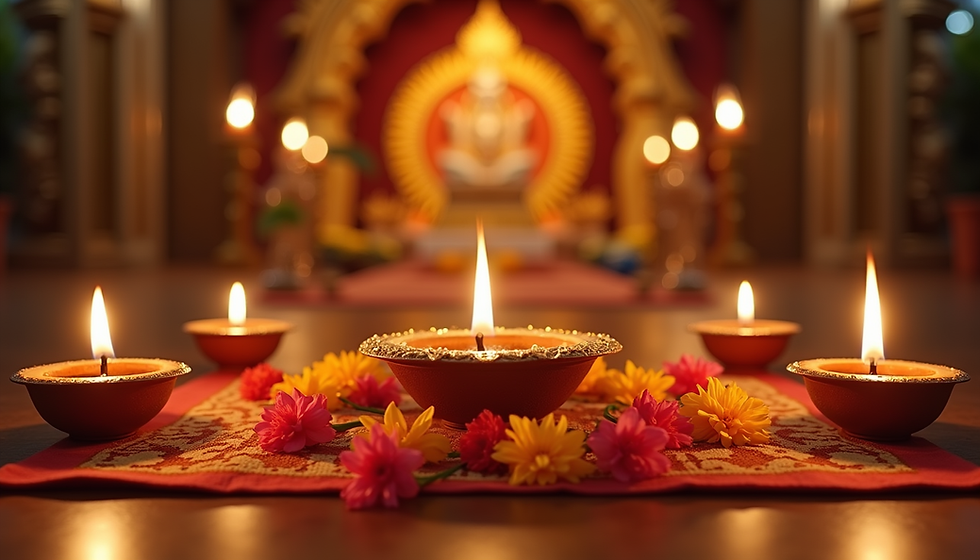
The lighting of lamps and incense sticks creates a sacred atmosphere. The light symbolizes knowledge dispelling the darkness of ignorance.
Chanting and Singing
Devotees chant Saraswati mantras and sing hymns praising the goddess. This collective sound creates a powerful spiritual energy.
Prasad Distribution
After the puja, the offerings are distributed as prasad (blessed food). Sharing prasad fosters a sense of community and divine grace.
These rituals are not mere formalities. They are a dance of devotion, a dialogue between the human and the divine. Each action, each offering, is a step closer to enlightenment.
Which Hindu god married his daughter?
In Hindu mythology, the story of a god marrying his daughter is rare and complex. One notable tale involves Lord Shiva and his daughter Ashokasundari. According to some regional legends, Ashokasundari was created by Parvati to alleviate her loneliness. However, mainstream scriptures do not depict Shiva marrying his daughter. Instead, Ashokasundari is said to have married Nahusha, a mortal king, symbolising the union of divine and earthly realms.
This story, while intriguing, is not directly related to Saraswati Puja but reflects the rich tapestry of Hindu mythology where divine relationships often carry symbolic meanings about cosmic order and dharma.
The Spiritual Significance Behind the Rituals of Saraswati Puja
Why do we perform these rituals? What deeper truths do they reveal? The sacred rituals of saraswati puja are more than ceremonial acts; they are gateways to spiritual awakening.
When we place our books and instruments before the goddess, we acknowledge that knowledge is a sacred gift, not just a human achievement. This act humbles the ego and opens the heart to learning with reverence.
The yellow flowers and fruits remind us of the vibrancy of life and the blossoming of wisdom. Yellow, the colour of Saraswati, is like the first light of dawn, illuminating the path ahead.
Chanting mantras is a powerful tool to focus the mind. The vibrations of the sacred sounds align our consciousness with the divine frequency, helping us transcend ordinary thought and enter a state of meditation.
Lighting the diya is symbolic of dispelling darkness. It is a metaphor for the journey from ignorance to knowledge, from confusion to clarity.
Through these rituals, we connect with the eternal source of wisdom. We are reminded that learning is a lifelong journey, and the goddess Saraswati is the guiding light on this path.

How to Participate Meaningfully in Saraswati Puja
Participating in Saraswati Puja is a beautiful way to deepen your spiritual practice. Here are some practical tips to make your experience more meaningful:
Prepare with Intention: Before the puja, spend time reflecting on what knowledge means to you. Set a personal intention for the ceremony.
Create a Sacred Space: Whether at home or in a temple, arrange a clean and peaceful altar with an image or idol of Saraswati. Use yellow flowers and fresh fruits.
Include Your Tools of Learning: Place your books, notebooks, musical instruments, or art supplies near the altar. This physical act connects your daily efforts with divine blessings.
Learn the Mantras: Even if you are new to Sanskrit, try to learn and chant the basic Saraswati mantra. The sound itself carries power.
Offer Simple Prayers: Speak from your heart. Ask for clarity, creativity, and the courage to pursue knowledge.
Share the Blessings: After the puja, share prasad with family or friends. This act of sharing spreads the goddess’s grace.
Carry the Spirit Forward: Let the energy of Saraswati Puja inspire you throughout the year. Approach learning with curiosity and devotion.
By engaging fully in these rituals, you open yourself to transformation. Saraswati Puja becomes not just a festival but a sacred journey.
Embracing the Legacy of Saraswati Puja at Siddhpeeth Maa Saraswati Mandir Gamharia
At Siddhpeeth Maa Saraswati Mandir Gamharia, the ancient traditions of Saraswati Puja are preserved with great care. The temple stands as a beacon of spiritual light, inviting devotees to immerse themselves in the divine presence of the goddess.
Here, the rituals are performed with reverence and precision, honouring the timeless customs passed down through generations. The atmosphere is charged with devotion, where every chant, every offering, echoes the sacred connection between the human and the divine.
Visitors find not only spiritual solace but also a sense of community. The shared experience of worship fosters bonds of faith and friendship. It is a place where knowledge is celebrated, and the goddess’s blessings are sought with heartfelt sincerity.
For those seeking to deepen their understanding, the temple offers guidance on the sacred rituals of saraswati puja. This resource helps devotees perform the puja with authenticity and devotion, ensuring the legacy of this sacred festival continues to inspire.
Saraswati Puja is more than a ritual; it is a living tradition that nurtures the soul. It reminds us that wisdom is a divine gift, and through devotion, we can unlock the infinite potential within.
May the light of Saraswati illuminate your path, and may the sacred rituals of Saraswati Puja fill your heart with peace and knowledge.


Comments